Effective Builders Waste Clearance in Ealing: Keeping Your Construction Site Clean
Introduction to Builders Waste Clearance

When undertaking any construction or renovation project in Ealing, managing waste effectively is crucial. Builders waste clearance ensures that your site remains clean, safe, and compliant with local regulations. Proper waste management not only contributes to a smoother workflow but also minimizes environmental impact.
In this article, we will explore the essentials of builders waste clearance in Ealing, highlighting the importance, benefits, and best practices to keep your construction site orderly.
Whether you're a homeowner planning a renovation or a contractor managing multiple projects, understanding how to handle builders waste is fundamental to the success of your endeavor.
The Importance of Builders Waste Clearance
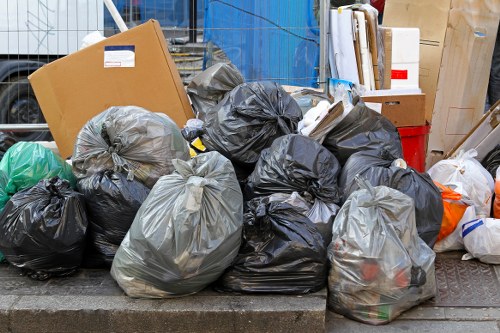
Efficient builders waste clearance is vital for several reasons:
- Safety: Removing debris and waste reduces the risk of accidents on site.
- Compliance: Adhering to local waste disposal regulations helps avoid fines and legal issues.
- Environmental Impact: Proper waste management minimizes the environmental footprint of your project.
- Project Efficiency: A clean site promotes better workflow and productivity.
Neglecting waste clearance can lead to cluttered workspaces, increased hazards, and potential delays, ultimately affecting the overall quality and timeline of your construction project.
Therefore, prioritizing builders waste clearance is essential for maintaining a smooth and successful construction process.
Types of Builders Waste
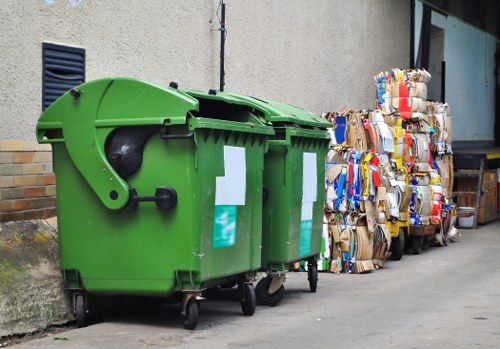
Understanding the types of builders waste is the first step in effective clearance:
- Concrete and Masonry: Leftover materials from building structures.
- Bricks and Tiles: Broken or surplus units from construction work.
- Wood: Offcuts and discarded lumber used in framing and finishes.
- Metals: Scraps from plumbing, electrical work, and structural components.
- Plastics and Insulation: Used materials from various installations.
- General Debris: Mixed waste from different stages of construction.
Properly categorizing and disposing of these materials is crucial for efficient waste management and environmental responsibility.
Each type of waste may require specific disposal methods to ensure compliance with Ealing's waste management policies.
Steps for Effective Builders Waste Clearance
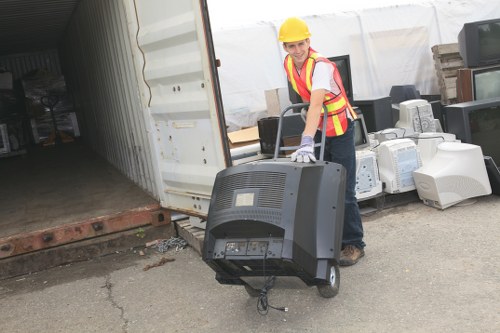
Implementing an effective builders waste clearance plan involves several key steps:
- Assessment: Evaluate the types and quantities of waste your project will generate.
- Segregation: Separate waste materials based on their category for appropriate disposal.
- Collection: Organize regular waste collection schedules to prevent accumulation.
- Recycling: Identify materials that can be recycled to reduce landfill use.
- Disposal: Ensure that non-recyclable waste is disposed of responsibly and in line with regulations.
Following these steps helps maintain an organized site, ensures legal compliance, and promotes sustainability.
Moreover, partnering with a professional waste clearance service can streamline this process, providing expertise and resources to handle waste efficiently.
Choosing the Right Waste Clearance Service in Ealing

Selecting a reliable builders waste clearance service is crucial for the success of your project. Consider the following factors:
- Experience: Look for companies with a proven track record in handling construction waste.
- Licensing and Compliance: Ensure the service complies with local regulations and holds necessary licenses.
- Recycling Practices: Choose services that prioritize recycling and environmentally friendly disposal methods.
- Timeliness: Reliable services offer timely waste collection to keep your project on schedule.
- Cost-Effectiveness: Compare pricing to find a service that fits your budget without compromising quality.
By selecting the right waste clearance partner, you can enhance the efficiency of your construction project and contribute positively to the environment.
Don't hesitate to contact us today to discuss your builders waste clearance needs in Ealing.
Benefits of Professional Builders Waste Clearance
Engaging professional waste clearance services offers numerous advantages:
- Efficiency: Professionals handle waste swiftly, reducing downtime on your site.
- Expertise: Knowledgeable teams ensure proper segregation and disposal of different waste types.
- Compliance: Professionals stay updated with local regulations, ensuring your project remains compliant.
- Environmental Responsibility: Services often include recycling and sustainable disposal methods.
- Cost Savings: Efficient waste management can lower overall project costs by minimizing delays and potential fines.
Investing in professional waste clearance is a strategic decision that enhances the quality and sustainability of your construction project.
Environmental Impact of Builders Waste Clearance
Proper builders waste clearance significantly reduces the environmental impact of construction activities. Key aspects include:
- Reducing Landfill Use: Recycling and reusing materials decrease the amount of waste sent to landfills.
- Conserving Resources: Recycling materials like metal, wood, and concrete helps conserve natural resources.
- Lowering Carbon Footprint: Efficient waste management practices reduce greenhouse gas emissions associated with waste decomposition.
- Avoiding Hazardous Waste: Proper disposal of hazardous materials prevents soil and water contamination.
By prioritizing environmentally responsible waste clearance, construction projects in Ealing can contribute to a healthier and more sustainable community.
Make the eco-friendly choice by opting for sustainable builders waste clearance services.
Cost Considerations for Builders Waste Clearance
Managing the costs associated with builders waste clearance involves understanding various factors:
- Volume of Waste: Larger projects generate more waste, increasing disposal costs.
- Type of Waste: Hazardous or non-recyclable materials may incur higher disposal fees.
- Frequency of Collection: Regular waste collection schedules can influence overall costs.
- Service Provider: Different providers offer varying pricing structures based on their services and expertise.
To manage expenses effectively, assess your project's waste generation and choose a waste clearance service that aligns with your budget and requirements.
Investing in efficient waste management can lead to long-term savings by preventing costly delays and ensuring compliance with regulations.
Regulations and Compliance
Adhering to local regulations for builders waste clearance in Ealing is mandatory. Key compliance aspects include:
- Waste Licensing: Ensure your waste clearance service holds the necessary licenses for waste transport and disposal.
- Reporting Requirements: Maintain accurate records of waste types and disposal methods as required by local authorities.
- Segregation Standards: Follow guidelines for separating different waste categories to facilitate proper disposal and recycling.
- Environmental Regulations: Comply with laws aimed at reducing environmental impact, such as restrictions on landfill use and promoting recycling.
Non-compliance can result in significant fines and legal issues, making it essential to stay informed and adhere to all relevant waste management regulations.
Partnering with a compliant waste clearance service ensures your project meets all legal requirements effortlessly.
Tips for Reducing Builders Waste
Implementing strategies to minimize builders waste can lead to more sustainable and cost-effective projects:
- Plan Ahead: Accurate project planning reduces material excess and minimizes waste.
- Reuse Materials: Identify opportunities to reuse materials within the project or for future projects.
- Optimize Cutting: Efficient cutting and measuring techniques reduce offcuts and excess materials.
- Educate the Team: Train workers on best practices for waste reduction and proper segregation.
- Choose Sustainable Materials: Select materials that are recyclable or have lower environmental impacts.
By adopting these practices, you can significantly decrease the volume of waste generated, leading to a more sustainable construction process.
Start implementing these tips today to enhance your project's efficiency and environmental responsibility.
Conclusion
Builders waste clearance in Ealing is a critical component of any construction or renovation project. By prioritizing efficient waste management, you ensure a safer, cleaner, and more compliant work environment.
Understanding the types of waste, following best practices, and choosing the right waste clearance service are essential steps toward achieving a successful project outcome.
Moreover, embracing sustainable waste management practices contributes positively to the environment and the community at large.
Don't let waste clearance overshadow your construction goals. Contact us today to learn how our professional builders waste clearance services can support your project in Ealing.
