Commercial Waste Ealing — Recycling and Sustainability
 Commercial Waste Ealing is committed to creating an eco-friendly waste disposal area across the borough, delivering a practical, measurable approach to a cleaner local environment. Our sustainability page outlines targets, local infrastructure, partnerships and vehicle initiatives that support a sustainable rubbish area strategy for businesses and institutions. We focus on reducing landfill, increasing recycling rates and supporting circular economy outcomes through reuse and recovery.
We set a clear recycling percentage target for commercial streams: a borough-wide goal of 70% recycling by 2030 for business and institutional waste. This target is ambitious yet achievable by combining source-segregation, improved collection logistics, and engagement with local enterprises. The target complements the wider borough aspirations and aligns with regional low-carbon commitments, ensuring that commercial waste disposal Ealing services are consistent with climate action plans.
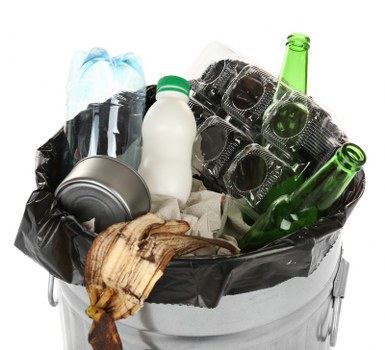 To support this goal we use a network of local transfer stations and materials recovery facilities (MRFs) that serve the borough. Collections are routed to nearby transfer stations and MRFs for sorting of dry recyclables, glass and paper, while organics are processed at designated composting or anaerobic digestion sites. We also coordinate with neighbouring borough facilities to increase processing capacity and resilience in the supply chain.
Our approach to recycling activity reflects the borough's practical separation practices: dry mixed recycling, separate food waste collections, and dedicated glass and cardboard streams for larger commercial producers. We promote simple on-site segregation systems so businesses can contribute to higher capture rates for paper, card, metal, plastics and food scraps. Commercial waste separation in Ealing emphasises the economic value of recyclables and reduces contamination rates at sorting plants.
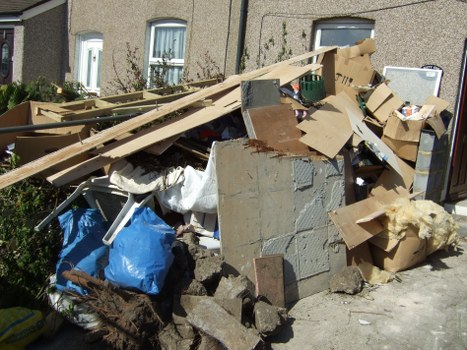 Partnerships are central to achieving sustainable outcomes. We work with local charities to divert reusable items from the waste stream — furniture, surplus textiles and office equipment are redirected to social enterprises and community groups. These collaborations reduce waste, extend product lifecycles and deliver social value. Examples of charity partnerships include donation pathways for reusable office furniture and redistribution of surplus food to accredited food aid organisations.
To further encourage reuse and resource efficiency we operate targeted take-back and exchange schemes: pallets, crates and durable containers are cycled back into circulation to minimise single-use disposables. Our sustainable rubbish area programmes also include seasonal drives that pair businesses with charities, creating reliable routes for items that are fit for reuse rather than recycling or disposal.
Logistics are optimised to lower carbon emissions across the service: low-carbon vans and electric 7.5-tonne vehicles are integrated into our fleet for short urban collections, while hybrid and Euro-6 compliant trucks reduce emissions on heavier routes. Fleet decarbonisation is part of our operational plan to make commercial waste management in Ealing greener and more efficient, and we continually review routing software to reduce mileage and idling time.
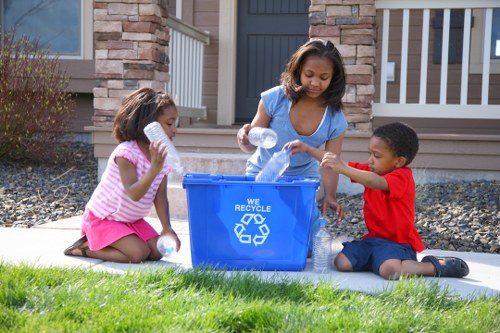 The composition of commercial streams in the borough guides the types of recycling services offered. Typical recyclable materials from offices, retail and hospitality include paper and card, rigid plastics, food waste, glass bottles, metal packaging and WEEE (small electricals). We provide segregated containers and compactors for high-volume recyclers and scheduled collections that reflect waste generation patterns during the week and at peak trading periods.
 Key services and best-practice measures available across the eco-friendly waste disposal area include:
- Source segregation support — bin labelling, on-site audits and staff training to reduce contamination.
- Dedicated organics collections — food and green waste sent to AD or composting.
- Reuse networks — partnerships with charities and social enterprises to redistribute usable goods.
- Low-emission collection fleet — electric and hybrid vans for last-mile services.
- Local transfer stations — efficient routing to nearby MRFs and processing centres.
Monitoring Progress and Community Engagement
We publish regular performance updates against our recycling percentage target and maintain a transparent monitoring approach. Data capture at collection points and weighbridge reports at transfer stations allow us to measure tonnages by material type and adjust service provision accordingly. Progress reports highlight reductions in landfill-bound waste and improvements in capture rates for priority materials.
Sustainable Outcomes and Business Benefits
Adopting these measures delivers multiple benefits: lower disposal costs through higher recycling yields, reduced carbon footprints via low-carbon vans and smarter routing, and enhanced corporate responsibility through charity partnerships. Businesses that participate in structured separation and reuse programmes often achieve cost savings, improved resource efficiency and better alignment with procurement sustainability policies.
In summary, Commercial Waste Ealing champions a collaborative, evidence-led route to creating a sustainable rubbish area and eco-friendly waste disposal area across the borough. By combining clear recycling percentage targets, well-connected transfer stations, charity partnerships and a decarbonising fleet, we aim to turn commercial waste into a resource for the community and the local circular economy.
